
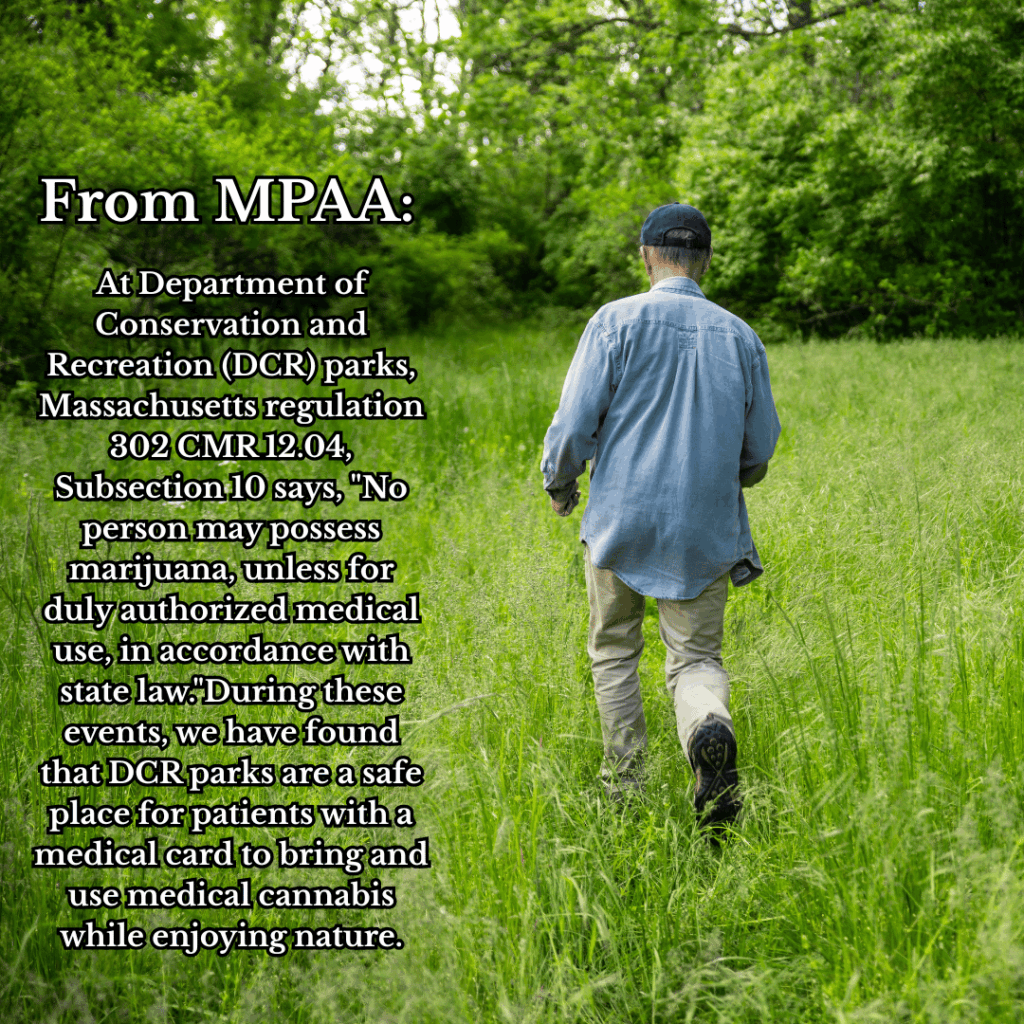
Spending time in nature isn’t just pleasant—it’s powerful. A 2014 review by Pearson & Craig in Frontiers in Psychology outlines compelling evidence that natural environments support mental health in multiple ways frontiersin.org+1figshare.com+1:
Restored Focus & Attention-Modern life drains our cognitive resources. According to Attention Restoration Theory (ART), natural environments—whether you’re walking through a park or even viewing greenery—help replenish that mental energy, improving concentration and executive functioning mcleanhospital.org+1figshare.com+1.
Reduced Stress, Anxiety, and Depression-Exposure to green spaces is consistently linked to lower stress, reduced anxiety, and fewer depressive symptoms . Epidemiological studies show that people moving to greener urban areas experience sustained mental health improvements en.wikipedia.org+15frontiersin.org+15en.wikipedia.org+15.
Beyond the Mind: Physical Health Wins-The benefits aren’t just psychological. Nature exposure promotes physical wellness too:
Lower blood pressure & stress hormones
Meta-analyses show green space exposure reduces cortisol, heart rate, and blood pressure en.wikipedia.org+15eatingwell.com+15fs.usda.gov+15pubmed.ncbi.nlm.nih.gov.
Improved cardiovascular & metabolic health
Time in nature correlates with lower risk of diabetes, heart disease, and even premature death .
Boosted immune function
‘Forest bathing’—spending time among trees—can increase natural killer cells, enhancing our body’s defense systems en.wikipedia.org+15time.com+15pubmed.ncbi.nlm.nih.gov+15.
More to Explore: Nature-Based Activities Engaging with nature in an active way amplifies gains:
Green exercise (outdoor running, hiking, gardening) offers greater physical and mental health improvements compared to indoor workouts thetimes.co.uk.
Group nature therapy, such as forest retreats and gardening, shows large improvements in mood and reductions in depression and anxiety over 8–12 weeks pmc.ncbi.nlm.nih.gov.
Strikingly, benefits can be felt even with short, simple contact with nature—just 10–20 minutes can uplift mood and reduce stress psychologytoday.com+2mcleanhospital.org+2en.wikipedia.org+2.
Why Nature Works: Two Key Theories
Attention Restoration Theory (ART): Nature captivates our involuntary attention—birdsong, rustling leaves—allowing our directed attention to rest and recover pmc.ncbi.nlm.nih.gov+3frontiersin.org+3mcleanhospital.org+3.
Stress Reduction Theory (SRT): Natural settings trigger physiological relaxation—lowered heart rate, reduced cortisol—helping our bodies recover from stress .
Daily micro-doses: Even a 10-minute walk, sitting under a tree, or viewing images of nature can help.
Weekly time in greenspace: Aim for 2 hours per week for meaningful benefits—public health research supports this target mylifereflections.net+10time.com+10en.wikipedia.org+10frontiersin.org+2eatingwell.com+2fs.usda.gov+2.
Active and social: Combine your time outdoors with exercise, gardening, or community activities.
Forest or group therapy: If possible, try guided forest bathing or join a gardening group for deeper, longer-term impact
Nature is a potent wellness ally—quietly healing both mind and body. You don’t need hours or exotic locales. Simple, regular time spent with green and blue spaces can restore focus, reduce stress, enhance immunity, and foster a sense of calm. Whether it’s a brisk park run, a weekend hike, a few moments watching clouds drift by, or gazing at photos of the outdoors, the natural world is ready to help you thrive. We know the amazing benefits of cannabis for health and well being so take some ACS Green along with your outdoor Green whenever you can!
Inspired by Pearson & Craig (2014) and supported by decades of research on sustainable, evidence-backed health benefits.